History of the barquillo
The 'barquillo', by definition, is a thin wafer made from flour, sugar, and some flavouring, which can be formed into a triangle (Abanico), or a cylinder (Cubano, Canutillo, or Neula).
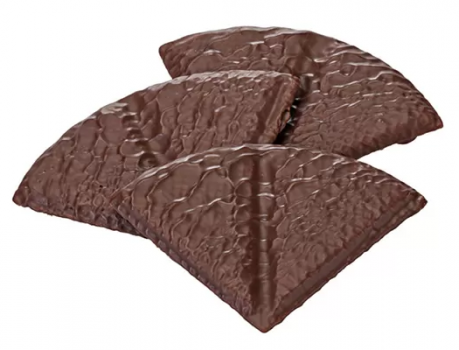
Homemade Wafers
The Origin of the wafers can be found directly at the beginning of Christianity. They derive directly from the divine bread (angel food) that was distributed to the faithful in churches. Since then their composition has evolved slightly.
In recent history, boats were originally made by Bakers, like sweets derived from bread.
the specialisation of trades gave rise to the so-called Clothes, o wafer sellers, who were responsible for making the dough and shaping the wafers. These were also included among the kitchen staff of kings and great lords.
Going back to antiquity, monks in monasteries would copy recipes as a way of preserving heritage, in the same way that manuscripts were preserved.
For centuries, they have been responsible for making and modifying these products in their workshops. One of these small boats was taken and prepared to be enjoyed by these congregations, and would subsequently be sold to the public.
In Zaragoza, Madrid, and many other cities, stories and characters linked to the 'barquillo' (a type of wafer) have emerged. For example, in Madrid, the 'barquillero' (wafer seller) is a typical figure, and it's common to see them on occasions and Public holidays
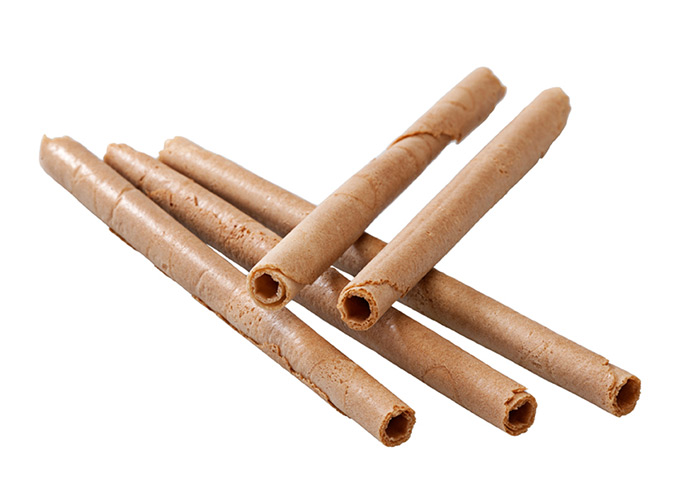
Christmas wafers
In many autonomous communities, for example, in Catalonia, it is customary to consume and give away wafers during special occasions, such as Christmas.
In fact, as early as the year 1168, the Bishop of Lleida ordered that six small wafers be served to each of his family members at midday and four at supper.
For his part, the Bishop of Urgell issued a decree indicating that religious figures should be served twenty wafer cakes instead of nougat.
Regarding the wafer itself and its importance in our history, it is important to mention that utensils have been found make wafers.
These utensils date back to the year 1344, but they weren't perfected until 1440, at the hands of Peter the Ceremonious.
Henceforth, these products will continue to be used by the majority of Spanish kings and rulers in their pursuits.
Snack boats used to be consumed with wine, and were served as dessert. And so, in this way, barquillos have gone down in history as exquisite desserts.