
History of chocolate
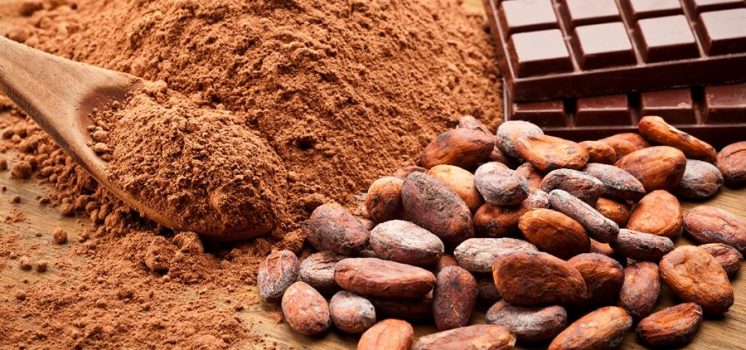
Cacao
Although many controversies have arisen over the years regarding the exact region from which the Cocoa plant originates, it is a native plant of South America.
The thesis that has gained the most traction is the one indicating a vast Amazonian region, including the Orinoquia.
The area where the first specimen of the plant we now know as Theobroma emerged approximately 4,000 years ago.
This name, originating from Greek and meaning “Food of the Gods,” can be included in the group of Byttnerioideae within the Sterculiaceae family. Its seeds are rich in starch, proteins, and fatty matter.
Of this plant, there are 22 known species, of which the only one cultivated for industrial and commercial production is Theobroma Cacao L.
Meanings of Cocoa
• Cacao can refer, firstly, to the fruit of the cacao tree, understood either as the pod that grows directly from its trunk, or as the seeds contained within that fruit.
Secondly, cocoa is also the product that results from the fermentation and drying of these seeds (or beans) from the fruit of the cocoa tree. Cocoa, understood in this way, is the basic component of chocolate.
• Finally, dry powder obtained by grinding the beans and extracting some or all of the cocoa butter is also called cocoa.
Cocoa is mainly cultivated in Africa, Central America, South America, and Asia.
The eight largest producing countries in the world are (in descending order) Ivory Coast 38%, Ghana 19%, Indonesia 13%, Nigeria 5%, Brazil 5%, Cameroon 5%, Ecuador 4%, and Malaysia 1%.
These countries represent 90% of world production.
Chocolate in History
There are contradictions when defining where the word chocolate comes from. Although it's clear that it originates from the word “xocolatl,” a term meaning “foamy water” (xoco: foam – atl: water).
Some sources indicate that this was the name of the drink offered to the Spaniard Hernán Cortés upon his arrival in Mexico in 1519.
When the Aztec emperor Moctezuma, along with his people, took him for a reincarnation of the god Quetzalcoatl, upon his arrival with his troops.
Moctezuma would then accord Cortés the treatment due to a divinity and offer him this drink, reserved only for those of high social standing.
This episode would give the scientific name to the cacao plant, Theobroma, which in Greek means: Food of the Gods.
Other sources indicate that the word Xocolatl originates from the indigenous people who inhabited Guaja Island, off the coast of Honduras.
Place where Christopher Columbus discovered that the indigenous people consumed a very strong and bitter drink, which produced energy and vitality, and which bore this name.
The introduction of cocoa, and therefore chocolate or “xocolatl”, to Europe, is said by some sources to have occurred upon Christopher Columbus's return from his fourth voyage to the Indies in 1502.
At that time, he introduced the cacao fruit to Spain.
Other sources state that Hernán Cortés, after tasting this drink, introduced cocoa to the court of King Charles V of Spain. They also say that cocoa arrived in Europe thanks to a certain monk who travelled on Cortés's expeditions.
This man sent cacao to the abbot of the Monasterio de Piedra, of Zaragoza, along with the cooking instructions.
It was the first time in history that chocolate was made in Europe.
Spanish monks adapted this drink to the European palate, replacing the strong spices used by Native Americans with honey, sugar and milk.
The Spanish court kept the preparation of this beverage a state secret, and only the monks knew the procedure for converting the cocoa bean into chocolate.
This drink was widely used by them, as the church considered it did not break the fast, in addition to becoming extremely popular in Spain.
The Spanish Crown managed to keep this secret for approximately a century.
The history of chocolate's expansion throughout the rest of Europe.
Certain historians indicate that the Italian traveller Antonio Carletti discovered the secret and took it to other European nations.
Others say that this popularity is due to the fact that the Infanta Maria Teresa of Spain (when she married Louis XIV of France, better known as the Sun King) gave him the secret of chocolate preparation as a wedding gift.
The royal couple would then introduce the custom of drinking chocolate at the French court, which, although consumed quite thickly in Spain, the French began to drink in a more diluted manner.
Although it coincides with the fact that France was the second country to receive chocolate, it differs in the way.
The French court was rather dubious about accepting what came to be called “a barbaric product” and “a harmful drug,” probably due to its invigorating effects.
It wasn't until the Paris Faculty of Medicine gave it their approval, and Queen Anne of Austria, wife of King Louis XIII of France, named it “the official drink of the French court”.
In the year 1615, it would not truly become a success.
In the year 1657, a French citizen, who had settled in London, opened a shop called “The Coffee Mill and Tobacco Roll”.
In this shop, solid chocolate tablets were first sold, for preparing the drink in England. It is considered historically as the true starting point of its popularity in Europe.
As a consequence of this popularity, the British government established a tax that made chocolate cost three-quarters of its weight in gold.
For this reason, chocolate was a drink that only the upper classes could afford. This tax remained in place until 1853.
The Swiss didn't begin making chocolate until the mid-19th century, when Daniel Peter, while trying to mix it with milk to make it creamier. This method had problems, as the water contained in the chocolate did not allow for a uniform emulsion.
After eight years of fruitless experiments, he presented the idea to a condensed milk manufacturer named Henry Nestlé.
At that moment, he had the idea of mixing sweetened condensed milk with cocoa, thus beginning the fame of Swiss chocolate. In 1828, C. J. Van Houten, a Dutch master chocolatier, invented the cocoa press, an instrument that would be used to obtain cocoa butter.
Removing its traditional acidity and bitterness.
Chocolate was only consumed in liquid form in Europe until, in 1879, Rodolphe Lindt had the idea of adding processed cocoa butter back to the mixture.
This allows chocolate to offer a texture that is both solid and creamy, which is crisp when bitten into and then immediately melts in the mouth.
This presentation reached its peak during the Second World War, as it provided Allied troops with excellent food while taking up very little space for transport.
After the Second World War, the market for chocolate bars consolidated. This was because the troops, back home, wanted to continue consuming it.
Types of chocolate
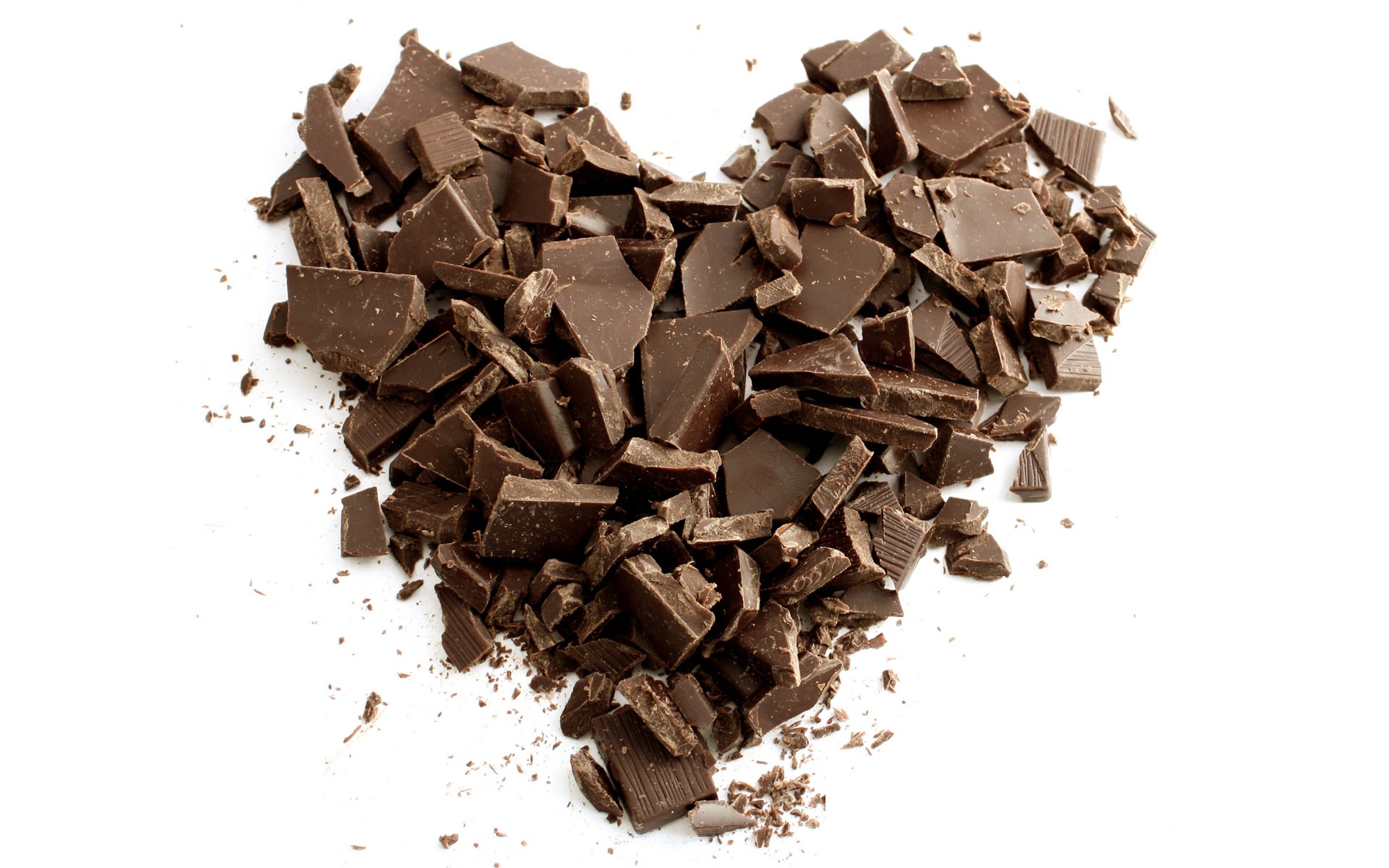
Most dictionaries define chocolate as: “a paste made from ground cocoa with sugar, usually flavoured with cinnamon or vanilla”.
This, despite being technically true, remains a contradiction, due to the almost infinite variety of products known under that name.
This variety owes its names or designations to products that, thanks to the versatility of this product, are mixed with cocoa paste.
However, this almost infinite variety originates from three or four basic raw materials, and they owe their name to their cocoa content.
Black
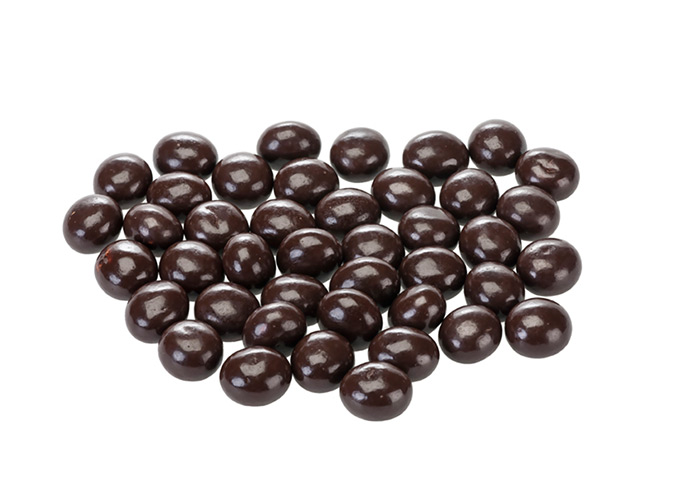
It is cocoa cream with sugar. Several presentations exist, all of which depend directly on their cocoa cream content, which can reach up to 70%.
With milk
As its name suggests, it is chocolate mixed with milk during its preparation. There are two ways of making it: with powdered milk and with sweetened condensed milk, a process perfected by Henry Nestlé in Switzerland, driven by an idea from Daniel Peter, in the year 1884.
White
Sugar and cocoa butter are added to the milk. This is why it doesn't have the characteristic brown colour of roasted cocoa beans.
Liquid
It comes in liquid form and was developed for baking. However, as it is made with vegetable oil instead of cocoa butter to ensure its liquidity, it does not have a reliable flavour.
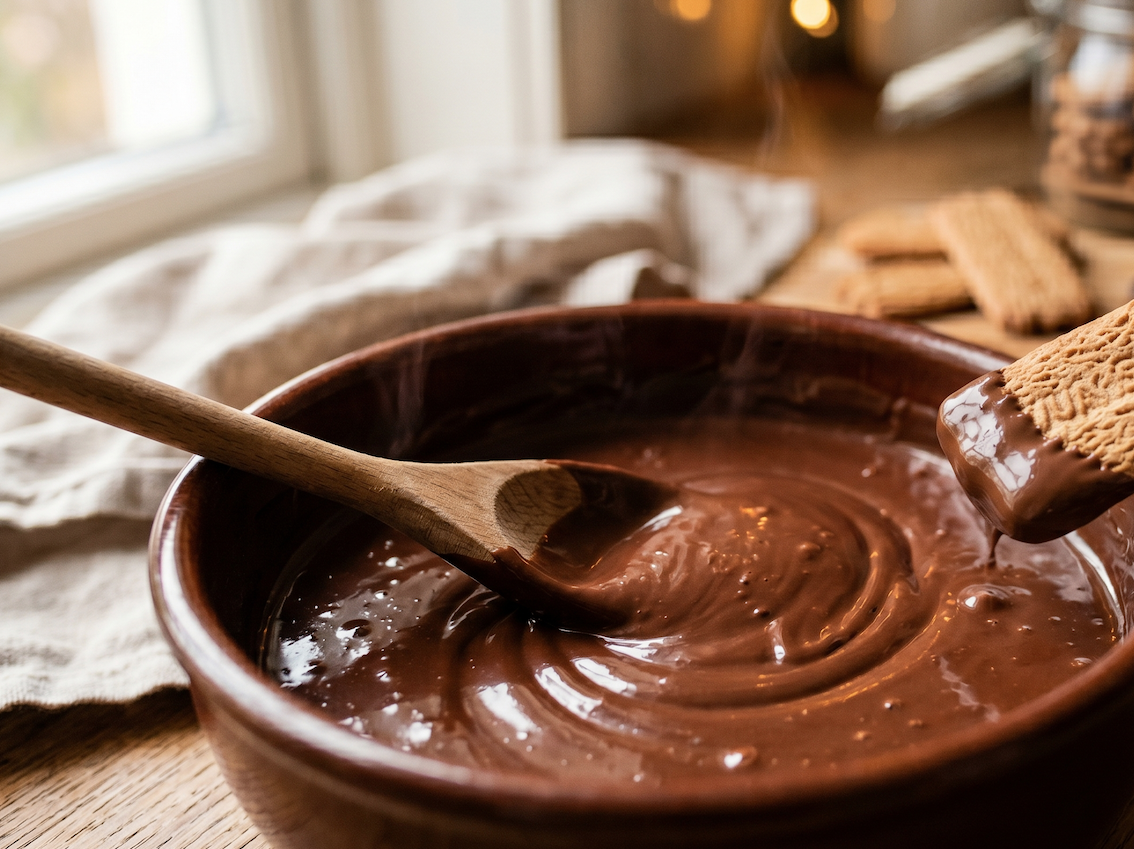
The high sugar and fat content in chocolate are the main elements that influence its transformation when working with it in the kitchen.
When heat is applied, fats melt, which is commonly known as “melting” chocolate, and sugars caramelise, giving the mixture that unique texture, between glossy and unctuous.
4 myths and truths about chocolate
- Weight gain Chocolate doesn't contribute to excess weight if consumed in moderation, within the framework of a diet that balances energy intake with the body's energy expenditure.
- Promotes acne Nutrition experts state that acne is fundamentally due to hormonal factors, such as those common in adolescence, or genetic ones. A link between acne and chocolate has not been scientifically proven.
- Causes tooth decay Although consuming foods and drinks that contain sugars is generally associated with tooth decay. This relationship is not direct, as other factors such as the texture of foods and their stickiness to teeth also influence it. In reality, good oral hygiene is the fundamental factor protecting against cavities.
- Create addiction: It has not been scientifically proven that the components of chocolate have physiological effects that lead to compulsive consumption. The roots of this myth should rather be sought in its sweet and pleasant taste, which makes its consumption a pleasurable act.