
The History of the Biscuit
The history of the biscuit began not as a snack, but as a way to preserve flour once cooked for long periods of time.
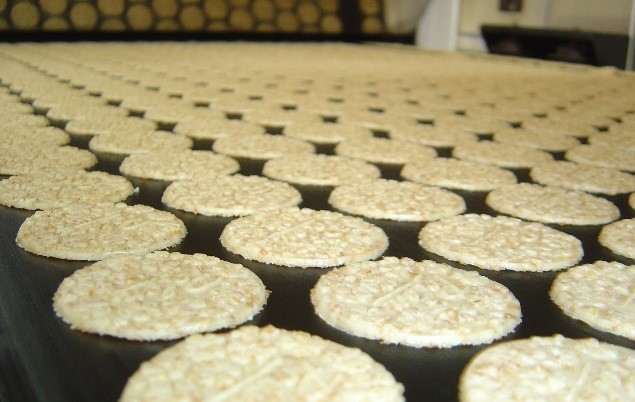
Do you know the history of the biscuit?
The first food to be named a biscuit was a type of flat, long-lasting bread, distributed among ship crews and groups of soldiers.
Currently, with this term we refer to a wide range of food products in various shapes and flavours, produced in homes, bakeries, and industries.
Las Galletas
The Dictionary of Nutrition and Food Technology states that “biscuits are essentially products with very low moisture content, made from flour, rich in fat and sugar, and high in energy.”.
This same dictionary suggests that its meaning derived from English and English in name of “Biscotti”derives from Latin and means it has been cooked twice, which explains its low water content.
The first written references to the word “Galleta" as we know it come from the French word "galette”with which, at least since 1636, they referred to unleavened bread made for consumption on ships.
The word “galette” was also used to refer to a type of wafer or crepe that the French ate in the 13th century.
In the beginning, the use of a dough Cereal flour is constant, as food prepared by man who, upon discovering fire, increased the possibilities for transforming the quality, quantity, durability, and flavour of his food.
Transformation into an Artisan Product
From the use of fire for Transformation and processing of food, the cookie-cake becomes a very significant component of the diet.
Throughout history, the biscuit has been one of the first cooked food:
- The original food of nomadic and free peoples.
- Bread pleasing to God.
- The Bible abounds with references to the unleavened bread (matzah) as a primary food for the people of Israel, owing to it being pure and uncorrupted food.
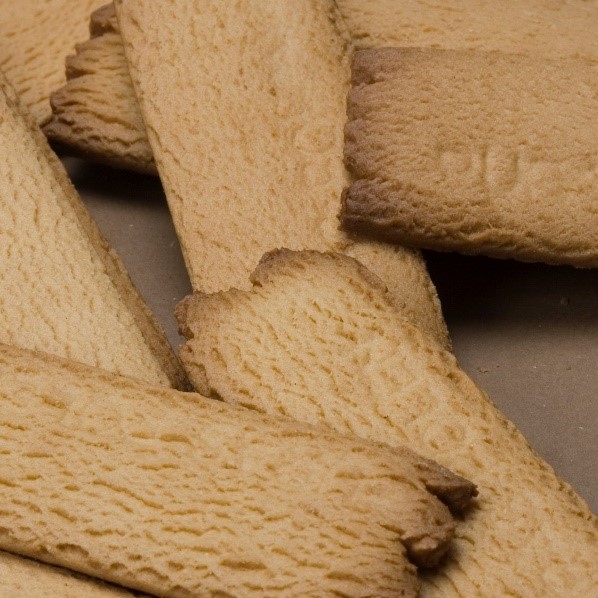
Bread of the Hosts
During the Middle Ages Biscuit cake, had constant consumption in the armies of Moors and Christians.
These armies consumed “a hard bread, like a tough cake or biscuit”.
During the 16th and 17th centuries, biscuits held a prime position in the stores of ships, sailing vessels, caravels and galleons.
The use of the biscuit as Bread substitute it is generalised on expeditions and long journeys, wars, due to the embarrassment of transporting bread, given its large volume and the impossibility of long-term preservation.
But it was in the 19th century that the biscuit achieved its full consolidation.
The Industrial Revolution led to the biscuit taking on a prominent role in the Food industry, as had already happened in other European countries.
Taste, quality, preservation, ease of transport, and price are some of the characteristics that facilitate the consolidation of the biscuit as an alternative product.
At present, the biscuit is consolidated as a Food with its own identity, fulfilling an important social function, and accompanying us during the hours of breakfasts Or how Snack between meals.
Depending on your preferences, you can choose from a Boer, a wafer, a neula, chocolate fans, baked biscuits… Whatever your choice, you'll take a journey through the history of this 100% artisan product.